








Stock image of dogs.
NEED TO KNOW
- A BBC investigation reportedly uncovered Ugandan shelters using fake videos of injured dogs to scam international donors
- One suspect has been arrested, while others remain at large as animal advocates push for justice in the case, according to a report
- The shelters reportedly raised over $730,000 in five years by exploiting animal lovers through social media fundraisers
An investigation has uncovered an online scam that tricked animal lovers out of thousands of dollars.
In Mityana, Uganda, social media accounts raised hundreds of thousands of dollars from international donors by posting videos of injured dogs in need, appealing to the public for donations.
But claims about the dogs’ conditions were often false, and some animals may even have been intentionally injured to receive donations, according to a BBC Africa Eye investigation.
Earlier in May, a suspect was arrested after police raided two shelters. Two other suspects are said to be at large, the report said.
The man arrested, Owen Godfrey Membe, has pleaded not guilty to a charge of animal cruelty and will be remanded in custody until May 27. Membe is accused of “killing an animal in an unnecessarily cruel manner” under Uganda’s Prevention of animal cruelty act, according to the report.
Stock image of a dog in a shelter.
The case against Membe is being brought as a private prosecution by the Animal Justice Center, a Uganda-based animal rights organization, and funded by We Won’t Be Scammed, a UK-based group that works to expose “sham” rescue centers online. The founder of We Won’t Be Scammed, Nicola Baird, confirmed to PEOPLE that her organization is funding the prosecution.
Animal advocates said Mityana, a trading center in the country, is infamous for its sham dog rescue shelters.
“This case is the first arrest after the world has seen how this scam has developed into an online content creator’s scamming business,” Bart Kakooza, chairman of the Uganda Society for the Protection and Care of Animals, told BBC.
“The entire world is now watching to see how Uganda will bring these cases to justice and how these animals will be given a new chance at life lived without cruelty.”
In a documentary, BBC News Africa went undercover inside one of these shelters, capturing video footage of the dogs and the people working in the facilities. Journalists posed as newcomers hoping to enter the online dog-shelter content business.
They discovered that some of the shelters in the area are rented out to multiple content creators and that they charge an entrance fee to film with the owner’s dogs. The videos are then posted on social media accounts that link to GoFundMe and PayPal campaigns.
In the documentary, a man running the shelter, who identified himself as Charles Lubajja, tells the undercover reporters that the shelter exists primarily to make money from social media users abroad under false pretenses.
He suggested several methods for getting more donations, including inflating the cost of dog food, filming fake veterinary treatments, and pretending that a landowner threatened the shelter with eviction.
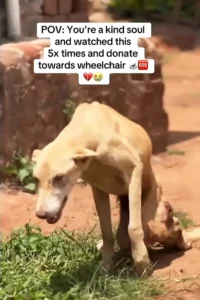
A social media post asking for donations for an injured dog.
At the shelter, the journalists found about 15 dogs kept in the same cage, lying in their own waste.
“Once you receive the GoFundMe money, you use it to buy a car or build a house,” Lubajja said while being secretly filmed. “Once you get a white donor, don’t treat them as a brother. You have to squeeze them [take their money]. Drain them.”
A rust-colored dog named Russet with severe leg injuries was posted across several social media accounts with pleas for funding for his treatment.
The BBC documentary followed Russet’s story from the shelters in Mityana to a veterinary clinic in the country’s capital, Kampala, where a vet who operated on the dog assessed the likelihood that the pet’s injuries were the result of an accident as low. Russet survived the surgery but died several days later.
Never miss a story — sign up for PEOPLE’s free daily newsletter to stay up-to-date on the best of what PEOPLE has to offer, from celebrity news to compelling human interest stories.
Data analysis by BBC Africa Eye showed the social media videos from sham shelters elicited hundreds of thousands of dollars in donations, according to the report.
In the past five years, the team’s research has shown that more than $730,000 has been raised for animal shelters in Uganda through hundreds of fundraisers posted on GoFundMe. Nearly 40% of all the fundraisers analyzed by the BBC were connected to Mityana.
“There are young men in the [Ugandan] countryside who are always looking for anything to do on the internet,” Kakooza told the BBC.
“On the other side, in the Western world, people are very passionate about animals. These young men realized they can make money if they can get a dog.”
Ugandan police did not immediately respond to PEOPLE’s requests for comment.